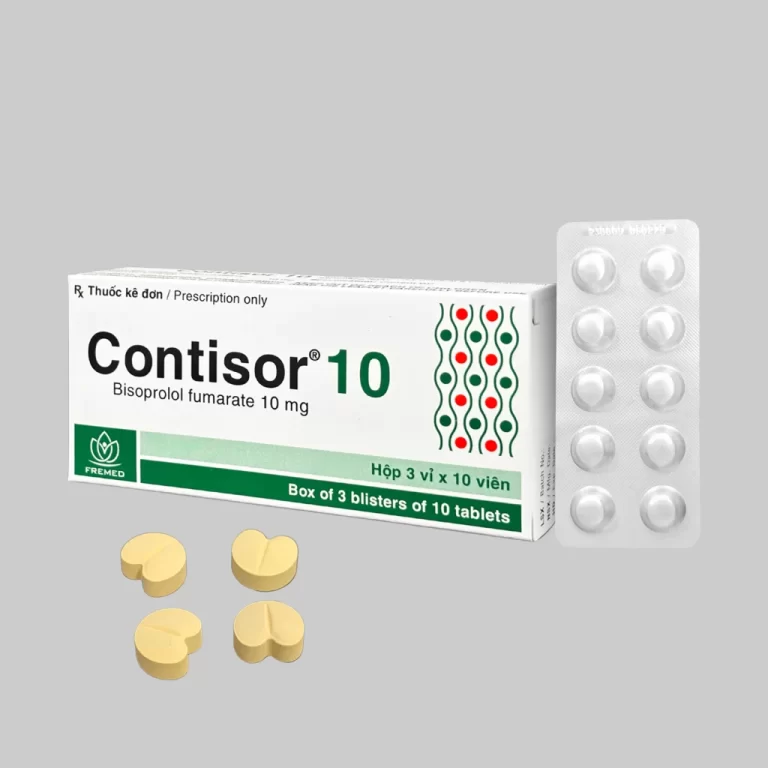
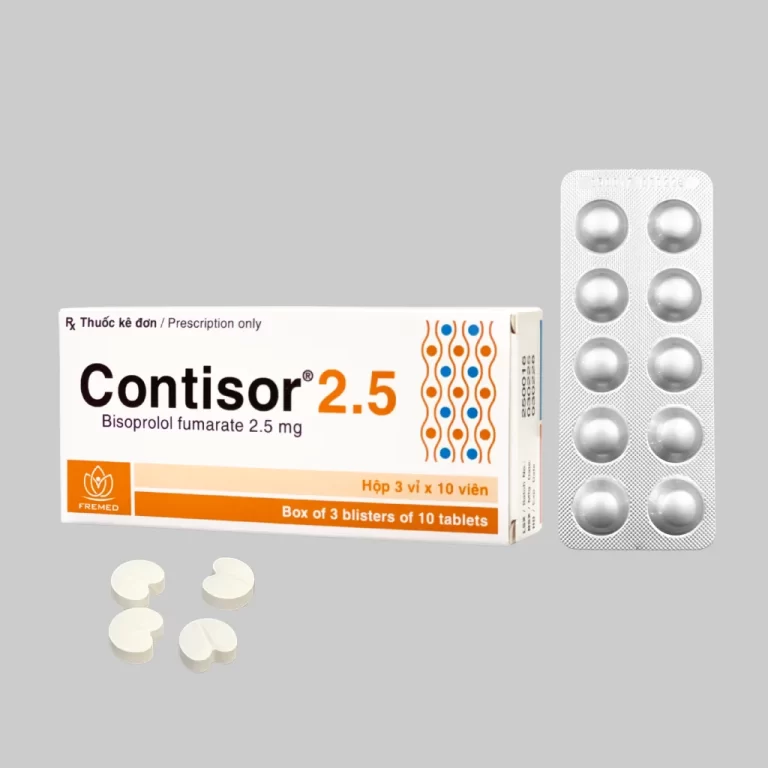
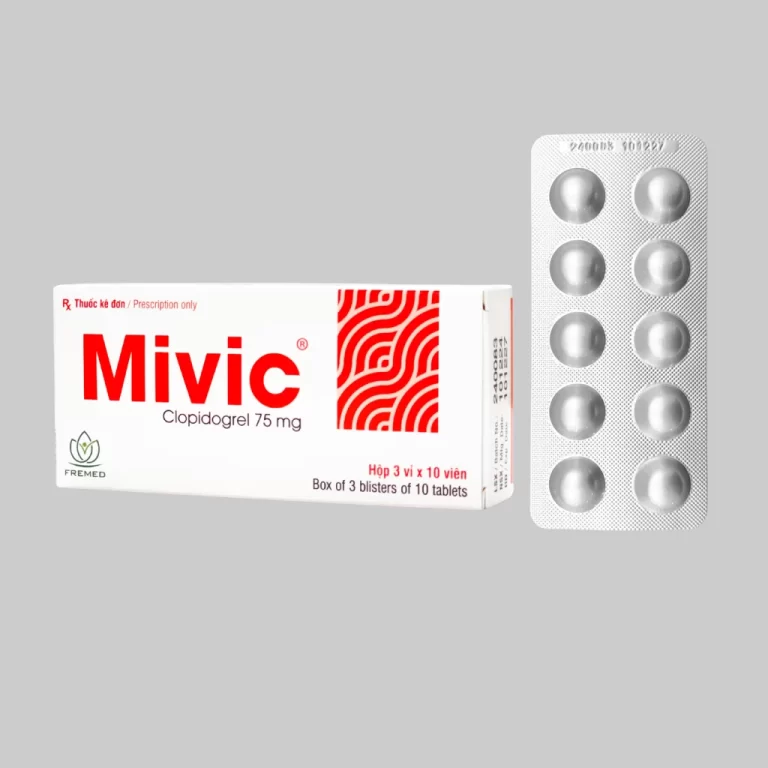
CONTISOR 5
CONTISOR 5
Active ingredient: Bisoprolol fumarate 5 mg.
Dosage form: Film-coated tablet
Packaging: Box of 3 blisters x 10 tablets
Expiry date: 36 months from the date of manufacture.
Posology
Treatment of hypertension and chronic stable angina pectoris
Adults
The dosage should be individually adjusted. It is recommended to start with 5 mg per day. The usual dose is 10 mg once daily with a maximum recommended dose of 20 mg per day.
Patients with renal impairment
In patients with severe renal impairment (creatinine clearance < 20 ml/min) the dose should not exceed 10 mg once daily.
Patients with severe liver impairment
No dosage adjustment is required, however careful monitoring is advised.
Discontinuation of treatment
Treatment should not be stopped. The dosage should be diminished slowly by a weekly halving of the dose.
Treatment of stable chronic heart failure
Adults
Standard treatment of CHF consists of an ACE inhibitor (or an angiotensin receptor blocker in case of intolerance to ACE inhibitors), a beta-blocker, diuretics, and when appropriate cardiac glycosides. Patients should be stable (without acute failure) when bisoprolol treatment is initiated.
It is recommended that the treating physician should be experienced in the management of chronic heart failure.
Transient worsening of heart failure, hypotension, or bradycardia may occur during the titration period and thereafter.
Titration phase
The treatment of stable chronic heart failure with bisoprolol requires a titration phase.
The treatment with bisoprolol is to be started with a gradual uptitration according to the following steps:
- 25 mg once daily for 1 week, if well tolerated increase to
- 5 mg once daily for a further week, if well tolerated increase to
- 75 mg once daily for a further week, if well tolerated increase to
- 5 mg once daily for the 4 following weeks, if well tolerated increase to
- 5 mg once daily for the 4 following weeks, if well tolerated increase to
- 10 mg once daily for the maintenance therapy.
The maximum recommended dose is 10 mg once daily.
Close monitoring of vital signs (heart rate, blood pressure) and symptoms of worsening heart failure is recommended during the titration phase. Symptoms may already occur within the first day after initiating the therapy.
Treatment modification
If the maximum recommended dose is not well tolerated, gradual dose reduction may be considered.
In case of transient worsening of heart failure, hypotension, or bradycardia reconsideration of the dosage of the concomitant medication is recommended. It may also be necessary to temporarily lower the dose of bisoprolol or to consider discontinuation.
The reintroduction and/or uptitration of bisoprolol should always be considered when the patient becomes stable again.
If discontinuation is considered, gradual dose decrease is recommended, since abrupt withdrawal may lead to acute deterioration of the patients condition.
Treatment of stable chronic heart failure with bisoprolol is generally a long-term treatment.
Special populations
Renal or hepatic impairment
There is no information regarding pharmacokinetics of bisoprolol in patients with chronic heart failure and with impaired hepatic or renal function. Uptitration of the dose in these populations should therefore be made with additional caution.
Elderly
No dosage adjustment is normally required.
Paediatric population
There is no paediatric experience with bisoprolol, therefore its use cannot be recommended for children.
Administration
For oral use.
Bisoprolol fumarate tablet should be taken in morning and can be taken with food in morning. They should be swallowed in liquid and should not be chewed.
INDICATIONS
Treatment of hypertension.
Treatment of stable chronic angina.
Treatment of stable chronic heart failure with reduced systolic left ventricular function in addition to ACE inhibitors, and diuretics, and optionally cardiac glycosides.
CONTRAINDICATIONS
Bisoprolol is contraindicated in chronic heart failure patients with:
- Acute heart failure or during episodes of heart failure decompensation requiring i.v. inotropic therapy
- Cardiogenic shock
- Second or third degree AV block
- Sick sinus syndrome
- Sinoatrial block
- Symptomatic bradycardia
- Symptomatic hypotension
- Severe bronchial asthma
- Severe forms of peripheral arterial occlusive disease or severe forms of Raynaud’s syndrome
- Untreated phaeochromocytoma
- Metabolic acidosis
- Hypersensitivity to bisoprolol or to any of the other constituents