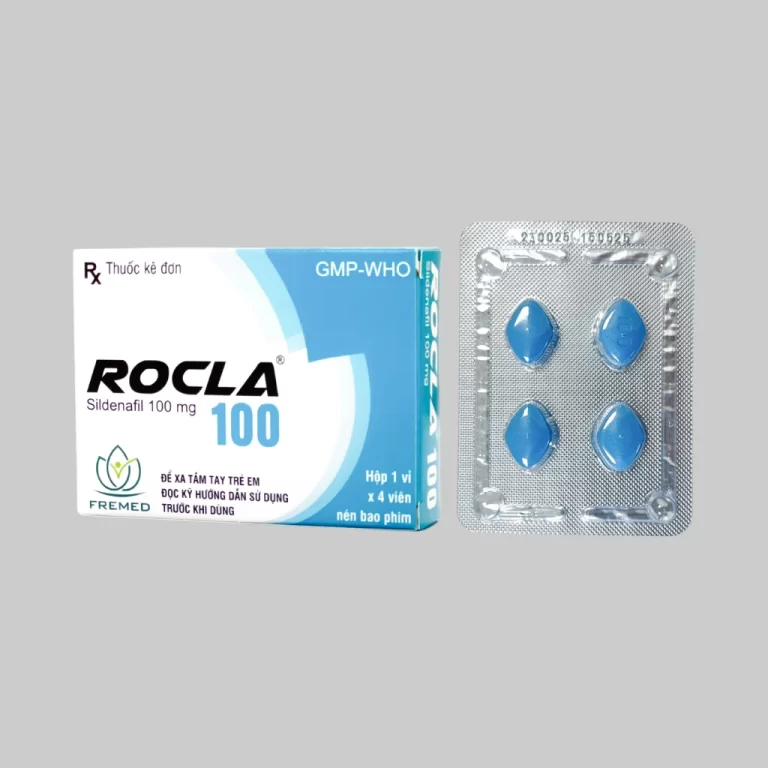
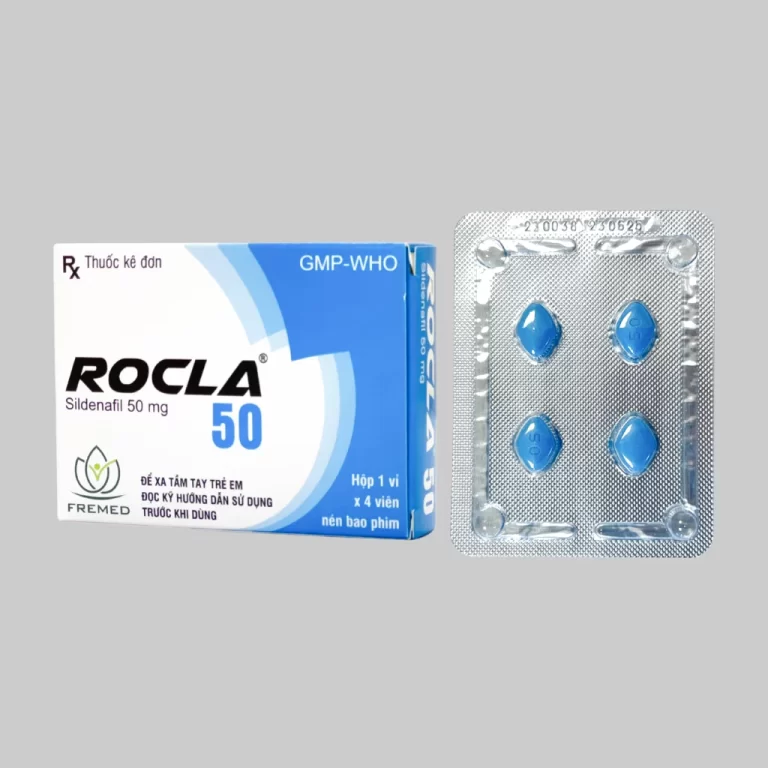
WELLING 20
WELLING 20
Active ingredient: Tadalafil 20 mg
Dosage form: Film-coated tablet.
Packaging: Box of 1 blister x 1 tablet; Box of 1 blister x 2 tablets
Expiry date: 36 months.
Posology
In general, the recommended dose is 10 mg taken prior to anticipated sexual activity and with or without food.
In those patients in whom tadalafil 10 mg does not produce an adequate effect, 20 mg might be tried. It may be taken at least 30 minutes prior to sexual activity.
The maximum dose frequency is once per day.
Tadalafil 10 and 20 mg is intended for use prior to anticipated sexual activity and it is not recommended for continuous daily use.
In patients who anticipate a frequent use of tadalafil (i.e., at least twice weekly) a once daily regimen with the lowest doses of tadalafil might be considered suitable, based on patient choice and the physician’s judgement.
In these patients, the recommended dose is 5 mg taken once a day at approximately the same time of day. The dose may be decreased to 2.5 mg once a day based on individual tolerability.
The appropriateness of continued use of the daily regimen should be reassessed periodically.
Special populations
Elderly men
Dose adjustments are not required in elderly patients.
Men with renal impairment
Dose adjustments are not required in patients with mild to moderate renal impairment. For patients with severe renal impairment, 10 mg is the maximum recommended dose.
Once-a-day dosing of 2.5 or 5 mg tadalafil for the treatment of erectile dysfunction is not recommended in patients with severe renal impairment (see SPECIAL WARNINGS AND PRECAUTIONS FOR USE and PHARMACOKINETIC PROPERTIES).
Men with hepatic impairment
For the treatment of erectile dysfunction using on-demand tadalafil the recommended dose of tadalafil is 10 mg taken prior to anticipated sexual activity and with or without food. There is limited clinical data on the safety of tadalafil in patients with severe hepatic impairment (Child-Pugh class C); if prescribed, a careful individual benefit/risk evaluation should be undertaken by the prescribing physician. There are no available data about the administration of doses higher than 10mg of tadalafil to patients with hepatic impairment.
Once-a-day dosing both for the treatment of erectile dysfunction and benign prostatic hyperplasia has not been evaluated in patients with hepatic impairment; therefore, if prescribed, a careful individual benefit/risk evaluation should be undertaken by the prescribing physician (see SPECIAL WARNINGS AND PRECAUTIONS FOR USE and PHARMACOKINETIC PROPERTIES).
Men with diabetes
Dose adjustments are not required in diabetic patients.
Paediatric population
There is no relevant use of tadalafil in the paediatric population with regard to the treatment of erectile dysfunction.
Method of administration
For oral use.
INDICATIONS
Treatment of erectile dysfunction in adult males. In order for tadalafil to be effective for the treatment of erectile dysfunction, sexual stimulation is required.
Tadalafil is not indicated for use by women.
CONTRAINDICATIONS
Hypersensitivity to tadalafil or to any of the excipients.
In clinical studies, tadalafil was shown to augment the hypotensive effects of nitrates. This is thought to result from the combined effects of nitrates and tadalafil on the nitric oxide/cGMP pathway. Therefore, administration of tadalafil to patients who are using any form of organic nitrate is contraindicated (see INTERACTIONS).
Tadalafil must not be used in men with cardiac disease for whom sexual activity is inadvisable. Physicians should consider the potential cardiac risk of sexual activity in patients with pre-existing cardiovascular disease.
The following groups of patients with cardiovascular disease were not included in clinical trials and the use of tadalafil is therefore contraindicated:
- Patients with myocardial infarction within the last 90 days,
- Patients with unstable angina or angina occurring during sexual intercourse,
- Patients with New York Heart Association Class 2 or greater heart failure in the last 6 months,
- Patients with uncontrolled arrhythmias, hypotension (<90/50 mm Hg), or uncontrolled hypertension,
- Patients with a stroke within the last 6 months.
Tadalafil is contraindicated in patients who have loss of vision in one eye because of non-arteritic anterior ischaemic optic neuropathy (NAION), regardless of whether this episode was in connection or not with previous PDE5 inhibitor exposure (see SPECIAL WARNINGS AND PRECAUTIONS FOR USE).
The co-administration of PDE5 inhibitors, including tadalafil, with guanylate cyclase stimulators, such as riociguat, is contraindicated as it may potentially lead to symptomatic hypotension (see INTERACTIONS).